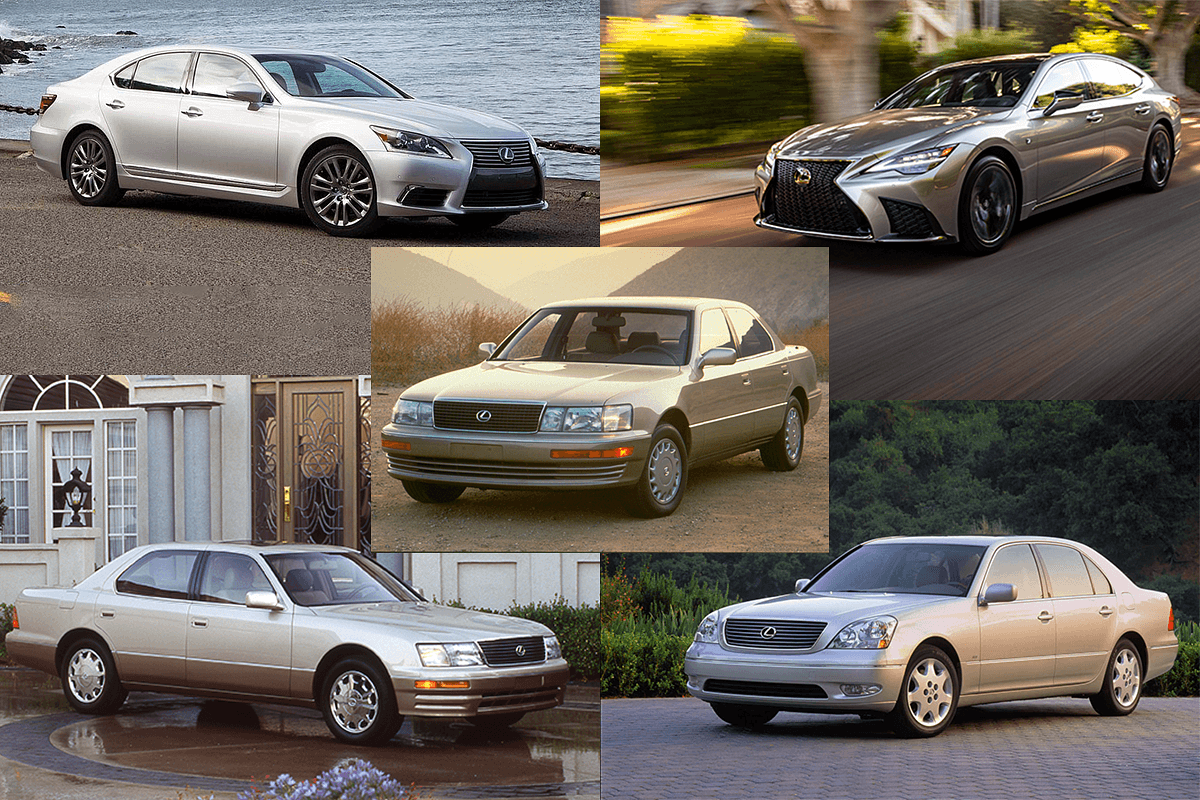
Lexus LS over the years (Center: LS400 I, from top left: LS460, LS500, LS400 II, and on the bottom right: LS430)
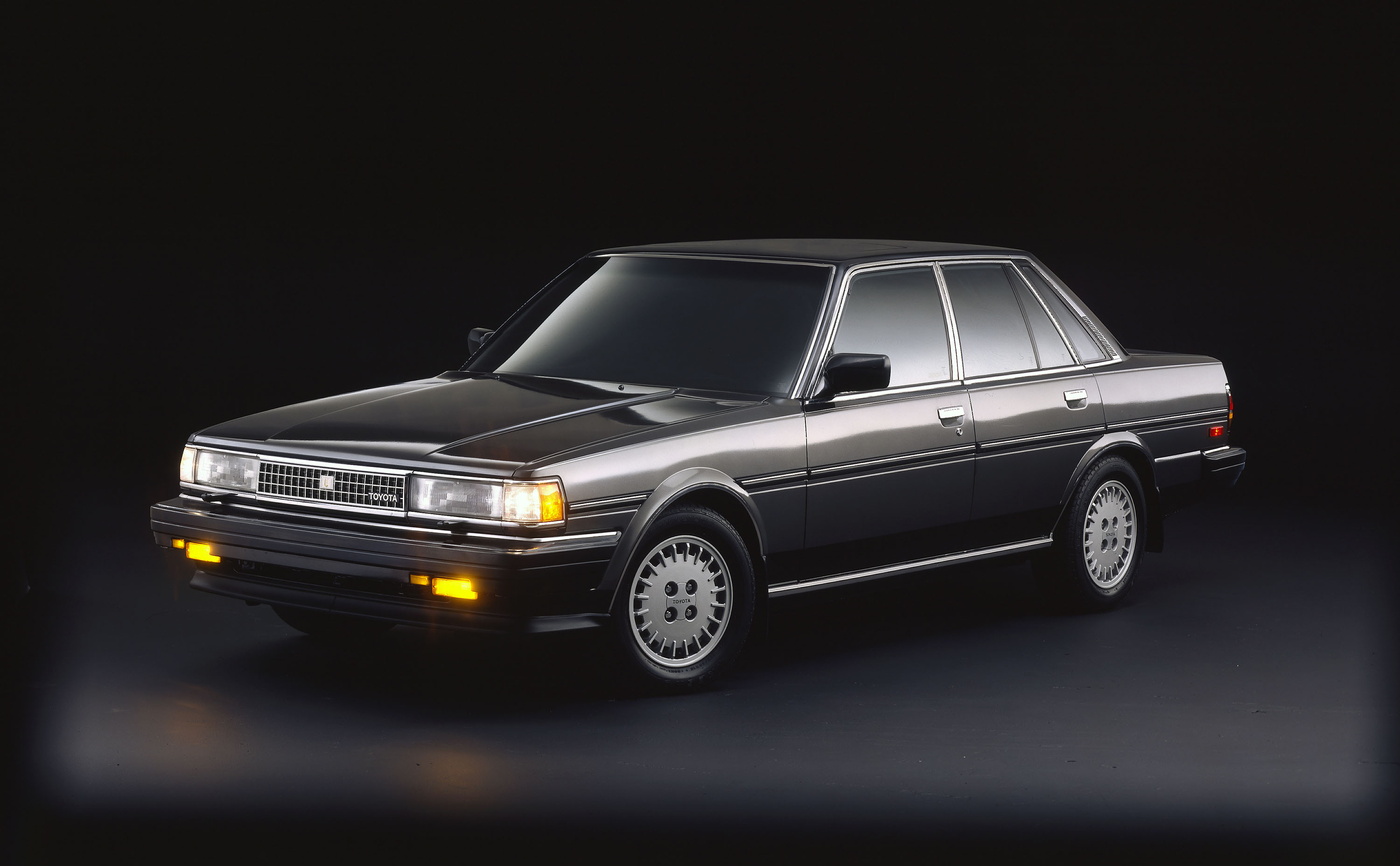
1988 Toyota Cressida
The final nail in the coffin for the Cressida was in 1989 with the introduction of Lexus. Toyota introduced the entry level Lexus ES 250 which cost roughly the same as the Cressida but what it did differently was featuring a highly prestigious badge alongside an extraordinary dealership experience. Toyota also introduced the Lexus LS 400, which instantly steamrolled the Cressida in sales by causing its sales to plummet over 60% by 1992. For the 1993 model year the Cressida was discontinued and Lexus kept on going.

Lexus began to dominate the dominate the full-size luxury car market with the LS400 throughout the 1990s. In late 1989, Lexus went extremely viral after their exceptional story that media was about to weaponize, Lexus turned it into an opportunity, prevailed after recalling all 8,000 vehicles sold by December of 1989. The LS400 received updates in 1993 with a more refined braking system, larger wheels and tires and updated the AC to CHC-free R134a instead of old R12. 1995 brought the first generation UCF20 (chassis code for the LS400), with multiple styling upgrades, engine upgrades by increasing compression ratio and adding 4 piston monoblock calipers over the 2 piston layout the outgoing UCF10 generation LS400 had. the UCF20 LS400 received its mid cycle upgrades in 1998 with a new 5 speed automatic transmission. Toyota's famous Variable Valve Timing with intelligence or simply known as VVT-i was introduced to the 1UZ V8 motor as well. Styling changes to the front fascia and removing the antenna from the outgoing generation. The most notable changes were the introduction of Vehicle Stability Control (VSC) and brake assist.
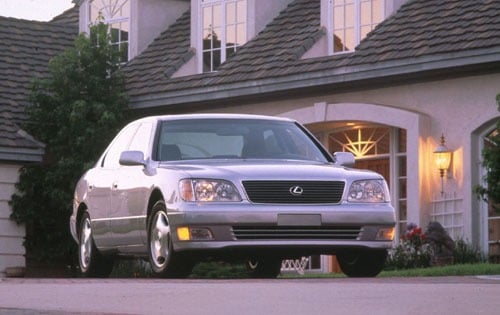
1998-2000 Lexus LS400
The shift made from the outgoing UCF20 generation to the UCF30 introduced technology that the consumer was simply not prepared for. The 2001 model year introduced the LS430 to the masses moving up from the LS400. There were also a lot of changes made beginning with the style of the car, the entire car was redesigned making it sleeker, more attractive, lowering it's overall drag coefficient and making it more fuel efficient. Some technologies that are not widely talked about with the LS430 is the habit-following transmission. The A650E 5-speed automatic in the LS430 had shift logic and could adapt to different terrains and driver habits. The 2001 model also introduced an optional "Ultra-Luxury" trim completely unavailable on the LS400s which only offered the Coach Edition with few subtle changes. The Ultra Luxury included massaging and cooled/ventilated front seats, power-reclining and temperature controlled rear seats with built-in massagers, a rear-seat air purifier, and a cooling box for drinks. The most revolutionary change of the LS430 was the Laser Adaptive Cruise Control, this would automatically follow a car at a safe distance and keep the distance so the driver wouldn't have to worry about the brakes while using the cruise control in a safe scenario. The LS430 was the very first car to bring laser monitored cruise control to the United States. It was sold under the feature name "Dynamic Laser Cruise Control". For the LS430 refresh in 2004, this brought a new style, look over the "pre face-lift" LS430 satisfying those that were not very keen of the outgoing look. Mechanical-wise the LS430 remained largely the same, however minor tuning adjustments were made to the 4.3L 3UZ-FE V8 motor, bumping it to 300 horsepower from 290. The biggest change from this mid cycle upgrade was the all new A761E 6-speed automatic transmission that allowed the RPM of the vehicle sit even lower at highway speed, dramatically helping increase the fuel economy.
.jpg)
2004-2006 Lexus LS430 Australian market press photos
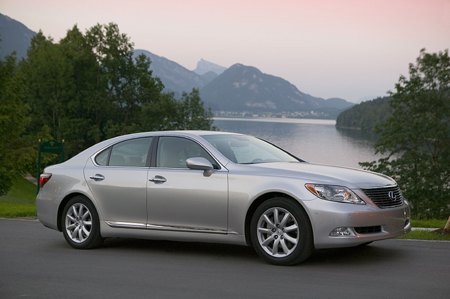
The LS460 (USF40) made it's older sibling the LS430 (UCF30) look like it was from the dinosaur age. The LS460 introduced for the 2007 model year brought very dramatic changes. The overall feel of the car was changed from a silk-smooth landyatch car to a more driver-focused luxury cruiser. This was the birth of how we know Lexus today, injecting massive engines, spacecraft technology, but more complexity. The LS460 boasted a giant 4.6L 1UR-FSE producing nearly 380 horsepower, a near-100 horsepower jump from the outgoing LS430, the USF40 also brought a new 8-speed automatic transmission, this was the first car in history to have this. Electronic Power Steering (EPS) was introduced as well transitioning from the hydraulic system the LS430 used. The car was completely redesigned by Yo Hiruta, introducing the iconic "L-finesse" design language we know today. It looked sportier, sleeker and lightyears more aerodynamic than the outgoing generation. The 2007 model year also introduced a long wheelbase version; the LS460 L, adding over 5 inches of extra rear leg room. Alongside these awesome achievements the LS460 had the worlds first Automatic Parking Guidance System, which could automatically park the car. The LS460 also brought additional amenities such as a heated steering wheel, infrared body temperature sensors to adjust the AC dynamically. The LS460 L could also be optioned with an executive package that included a folding workspace table, a built-in refrigerator, a drop-down ceiling screen, and a rear right seat that fully reclines with a power ottoman and built-in Shiatsu massage rollers. The only downside was the car itself, with these technologies packed into one car, this resulted in the early LS460s to suffer from issues, such as the control arm failure, and brake actuator failure which can be very expensive to repair. The LS460 received a mid cycle refresh in 2010, in which Lexus combatted the suspension issues, completely redesigning the control arms and introducing a "Sport Package" that included more aggressive cosmetics, BREMBO brakes, and sport suspension.
The 2013 transition led a highly visible update, but the cars remained largely the same. The 2013 facelift was a direct response to critics who labeled the early LS460 as too conservative, transforming it into a sharp, aggressive, and highly digitized executive sedan. The 2013 model permanently debuted the aggressive, hourglass-shaped "Spindle Grille" that defines modern Lexus design, flanked by sharp three-lamp HID headlights and prominent L-shaped LED daytime running lights. Lexus abandoned touchscreens for 2013, introducing the Remote Touch Controller, a mouse-like joystick on the center console with haptic feedback to navigate menus. Lexus used laser welding for this car which significantly increased the structural rigidity of this car. You could also switch drive modes between Eco, Comfort, Normal, Sport and Sport S+ these modes automatically adjust the engine, transmission, and suspension to the drivers selected mode on the fly.

2013 Lexus LS460
The LS500 brought massive changes breaking off entirely from what the Lexus LS was originally meant to be. The LS460 is widely considered the last traditional Lexus LS. Despite it being a change from the LS430, the LS460 felt more sportier, however the LS500 denoted sporty design with a coupe-like design and boasted a 3.5L twin turbo V6 instead of the traditional 8 cylinder that the flagship sedan used for the past 28 years up until the LS500s introduction in 2018. Going by the engine code, the V35A packed 416 horsepower, a big jump from the LS460, but not as big as it was from the LS430. It also featured a brand new 10-speed automatic transmission, early models had some complaints regarding subtle transmission shift hesitations in stop-and-go traffic. The LS500 was built on Lexus' Global Architecture Luxury platform, or simply GAL. This was the biggest change of the LS500, moving the engine nearly 4 inches more further back, lowering the center of gravity. It helped cut the body roll from previous generations but it sacrificed the couch-like ride the LS was known for. The LS500 was also nearly 2 inches longer than the outgoing long wheelbase LS460 L. The GAL platform made the LS500 more of a sports car than a traditional executive sedan, with it's sloped lines and aggressively cut headroom, reducing headspace and lowering the seating position. Making the LS500 more driver focused than passenger focused. The 2021 mid-cycle refresh of the LS500 included few visual upgrades such as sleeker headlights and Lexus aimed at bringing back the comfort the previous models were known for. They tuned the adaptive variable suspension, installed updated motor mounts restoring the smooth ride quality. The V35A was retuned to deliver more low end torque resulting in smoother acceleration. The transmission was reprogramed as well to reduce the busy shifting feel that plagued the earlier models. The biggest refresh update was the removal of the trackpad *thankfully* and making it a touch screen. Lexus announced that 2026 will be the last year the Lexus LS will be produced, in commemoration, a Heritage Edition LS500 limited to 250 units will go on sale, all other models in the LS500 were discontinued earlier, so this made the Heritage Edition the true last Lexus LS.

The Lexus LS will continue to live on in a different car. With the recent announcement of the new Lexus ES, it is visibly notable that the ES is occupying the role of the LS, however it makes it look awkward, it was better when the two models were separate.
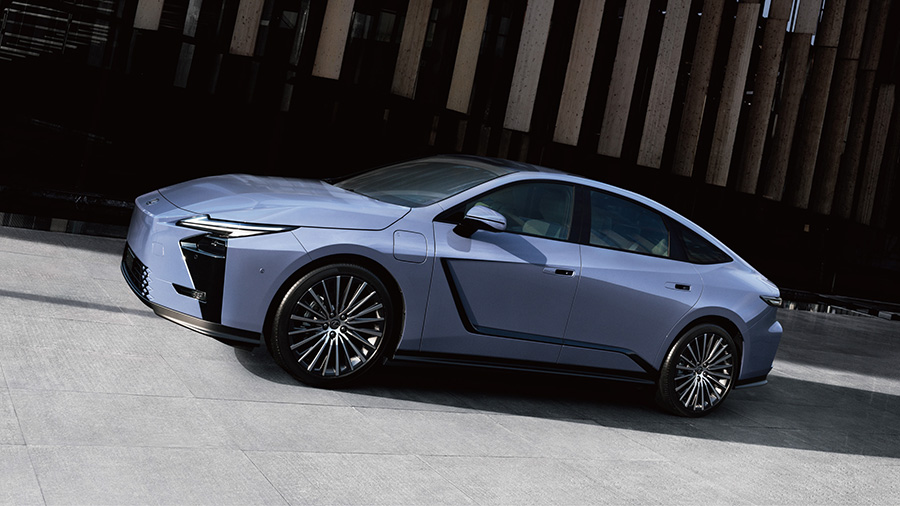
The recently-unveiled Lexus ES
Comments
Post a Comment